Madrid seduces the palate: a journey through the flavours of the region
14 October, 2026Madrid can be explored by contemplating its monuments, visiting its museums or strolling its squares, but also by sitting down at the table. Gastronomy offers visitors a different way of approaching the Region of Madrid and, above all, a good reason to extend their trip beyond the capital. From cocido served in three courses to a glass of wine produced in the region, from century‑old bars to the market gardens of Aranjuez or the products of the Sierra Norte, the cuisine makes it possible to build an itinerary through a large part of the territory.
Madrid is much more than a city: from the Sierra Norte to the district of Las Vegas and the Alcarria of Madrid there is an offer that covers traditional cuisine, but also more sophisticated proposals. The region’s larder helps to complete the map: vineyards, olive groves, livestock farms, fruit, vegetables, pulses, cheeses and honeys show a diversity that hides a wealth waiting to be discovered.
Start with a cocido and understand Madrid
There are few dishes that explain Madrid’s cuisine better than cocido. Its ritual is part of the experience: traditionally it is served in three courses, starting with the soup, continuing with the chickpeas and vegetables and finishing with the meats.
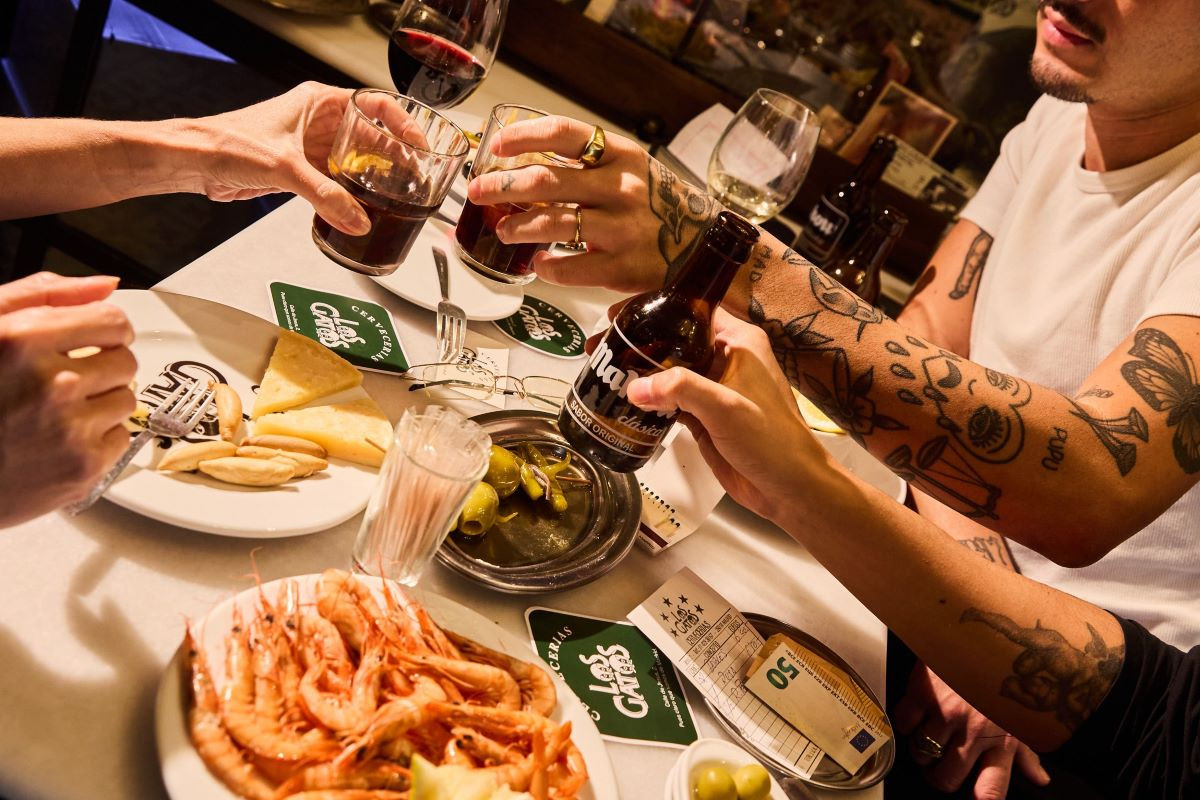
The traditional “cañeo”, usually accompanied by a tapa, brings visitors closer to one of the most everyday customs of life in Madrid, in this case at Los Gatos. Source: Region of Madrid.
But to limit traditional Madrid cuisine to cocido would be to stop halfway. Callos a la madrileña (Madrid‑style tripe), hen in pepitoria, garlic soups, beef and lamb stews, cod or sea bream are part of the traditional recipe book. To these is added a tapas culture that turns the act of eating into a social activity: Spanish omelette, patatas bravas, grilled pig’s ear, garlic prawns, snails, offal or the popular calamari sandwich.
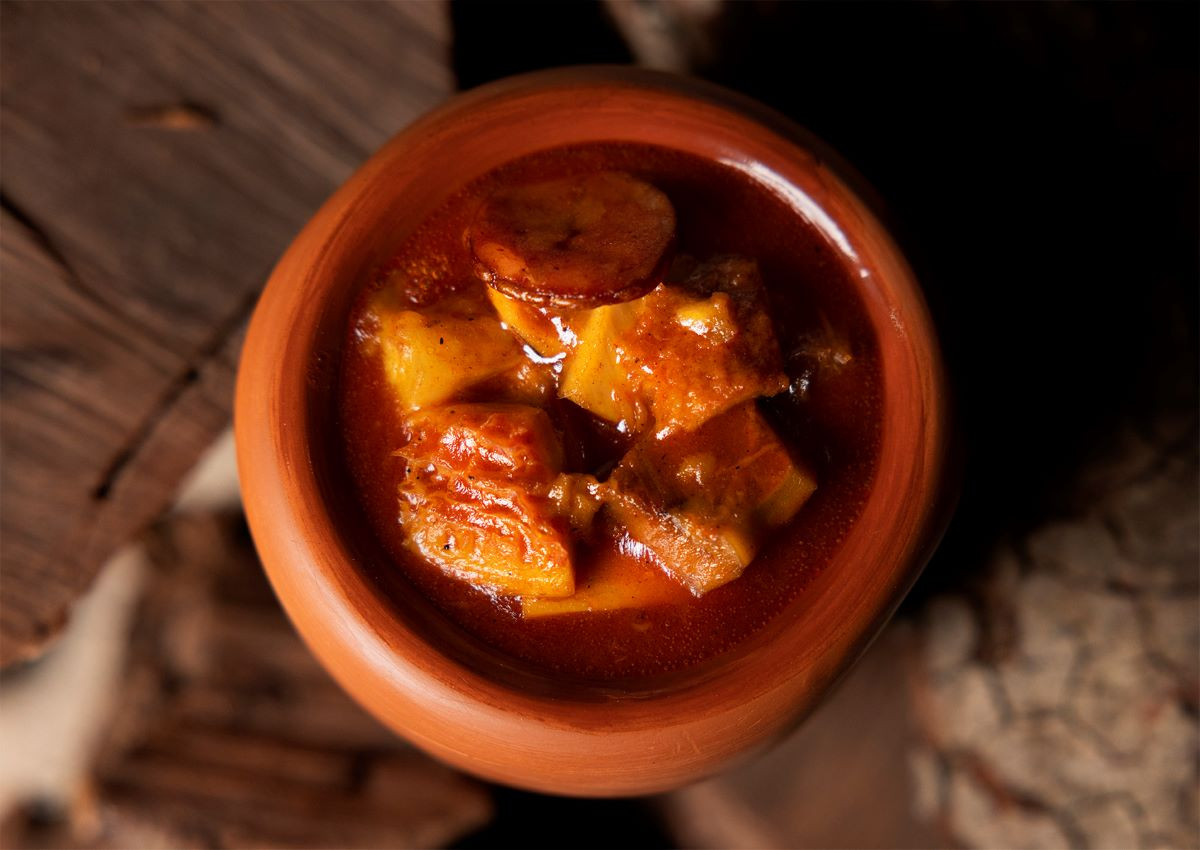
Callos a la madrileña are part of the capital’s traditional recipe book and are one of the most representative dishes of its gastronomy. Source: Montia_Region of Madrid.
Even a custom as simple as going out for a small beer is part of this gastronomic landscape. The Cómete Madrid initiative describes the "cañeo" as a practice that goes beyond drinking beer and that is traditionally accompanied by a tapa. For visitors it can become one of the simplest ways of integrating themselves for a few hours into the everyday life of the city.
Eating among centuries of history
Madrid also makes it possible to combine gastronomy and heritage without leaving the table. Its historic restaurants and taverns turn a meal into a small journey through the history of the capital.
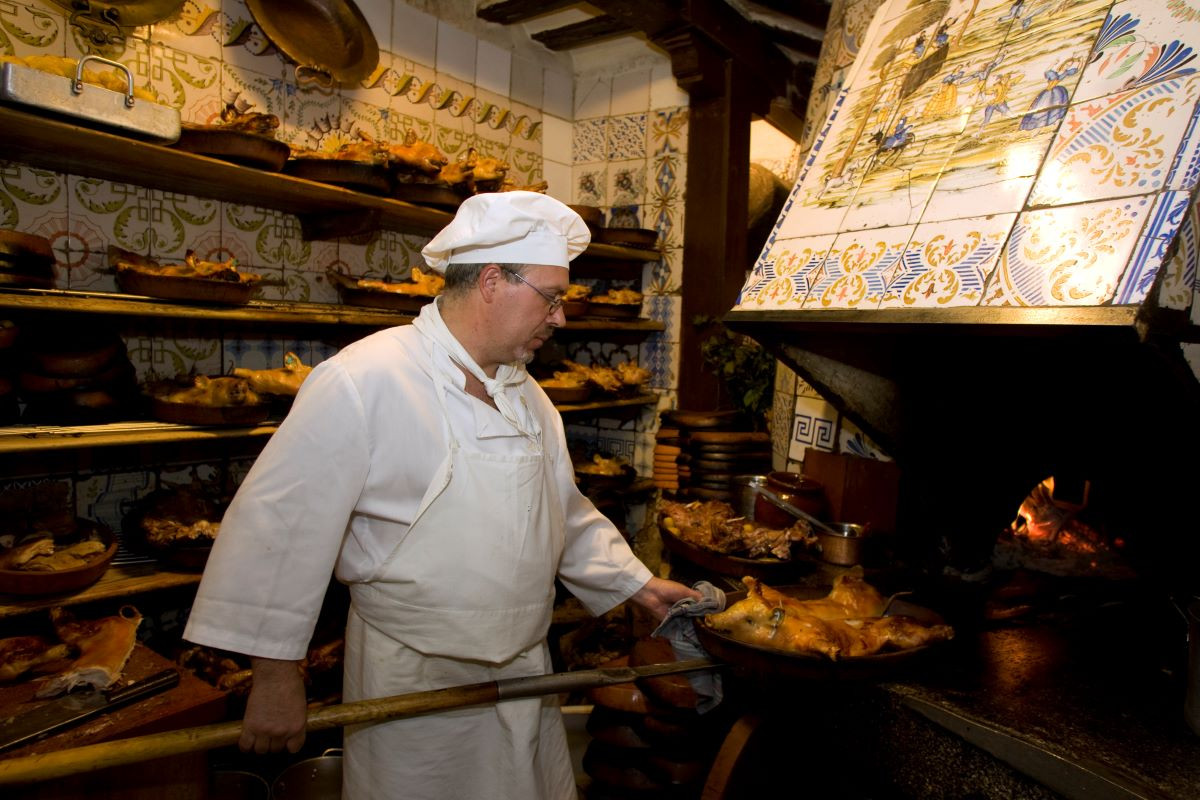
In this field the star is without doubt Casa Botín, founded in 1725 and recognised by the Guinness Book of Records as the oldest restaurant in the world, a benchmark of traditional Madrid cuisine. Located next to the Plaza Mayor, it preserves its historic wood‑fired oven and counts roast suckling pig and lamb among its specialities.
Lhardy, open since 1839, La Bola, since 1870, and Malacatín, in operation since 1895, preserve a traditional cuisine linked to dishes such as cocido, lamb or tripe.
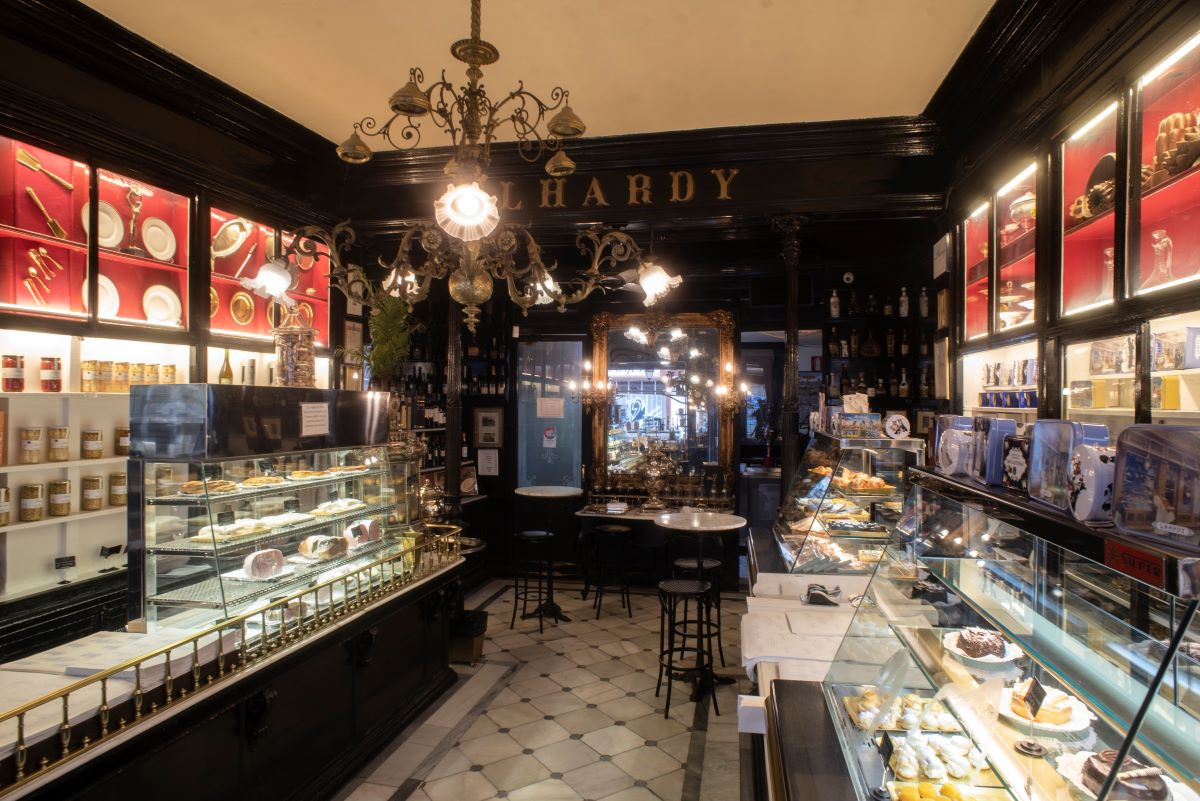
Lhardy combines its historic restaurant with a delicatessen, two areas that maintain their link with traditional Madrid cuisine. Source: Sara Soler_Region of Madrid.
The route can also lead to establishments such as Taberna Antonio Sánchez, founded in 1787, or Cervecería Alemana, opened in 1904 in Plaza de Santa Ana. La Casa del Abuelo, whose tavern‑keepers go back to 1906, maintains garlic prawns as one of its specialities. These are places where the attraction does not lie only in what reaches the plate; the décor, bars, dining rooms and decades of urban life are also part of the experience.
From the capital to Madrid’s larder
The gastronomic journey changes landscape when you leave the capital. The region’s geographical diversity, from the Central System to the Tagus depression, makes it possible to produce fruit and vegetables, pulses, wine, oil, meats, cheeses and other foods.
Some products by themselves trace out a route. There are the strawberries and asparagus of Aranjuez, the melons of Villaconejos, the garlic and aniseed of Chinchón, the olives of Campo Real, the large white beans of the Sierra Norte or the meat of the Sierra de Guadarrama.
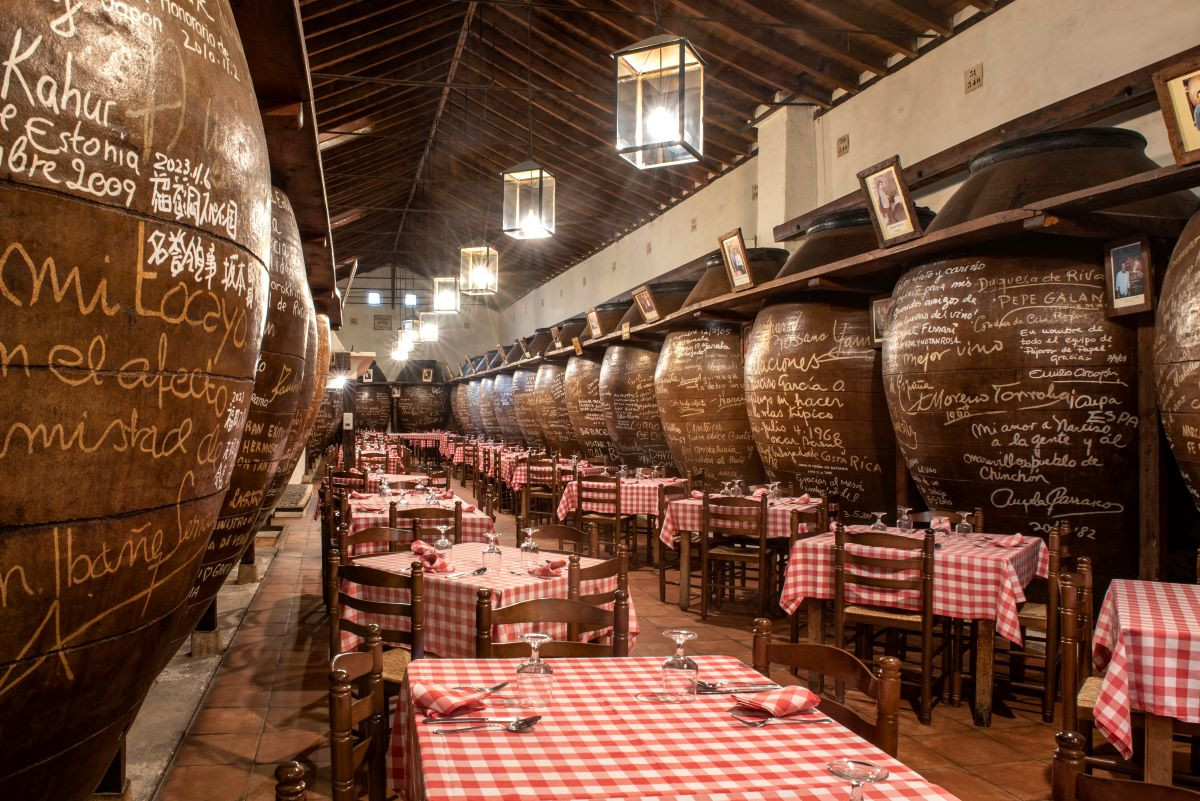
Mesón Cuevas del Vino, in Chinchón, combines traditional gastronomy with a unique space of old wine cellars that preserves the town’s wine‑growing history. Source: Region of Madrid.
In fact Madrid has five quality labels listed by the Madrid Academy of Gastronomy: Madrid Wines Protected Designation of Origin (PDO), Sierra de Guadarrama Beef Protected Geographical Indication (PGI), Campo Real Olives Quality Designation, Madrid Olive Oil Guarantee Mark and Chinchón Aniseed Geographical Indication.
This map makes it possible to turn a gastronomic getaway into a territorial journey. The Vinos de Madrid, for example, are distributed in the sub‑zones of Arganda del Rey, San Martín de Valdeiglesias and Navalcarnero, giving visitors another reason to move away from urban circuits and get closer to the production landscapes.
A different Madrid for every meal
Perhaps one of Madrid’s advantages as a gastronomic destination is precisely that it does not force you to choose between tradition and diversity. You can have hot chocolate with churros for breakfast, then go into a historic tavern, share some patatas bravas, sit down to a cocido and reserve another day to discover wines and products made outside the capital.
Madrid also offers gastronomy marked by diversity: it is possible to discover cuisines from different countries, great restaurants and proposals ranging from tradition to more contemporary creations. The capital also presents itself as a crossroads of gastronomic cultures, with examples such as Chinese cuisine linked to the district of Usera.
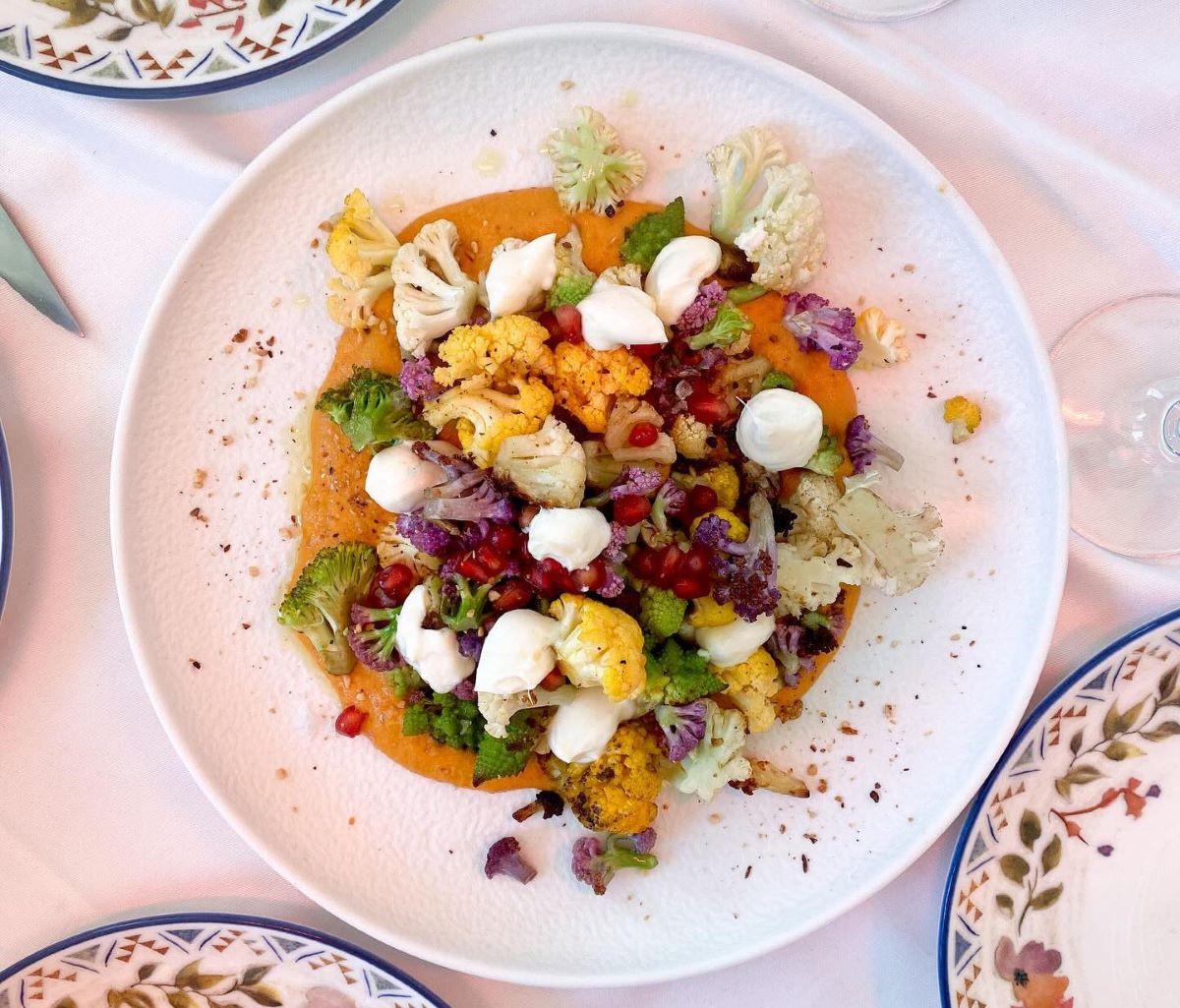
Seasonal and locally sourced vegetables take centre stage in the proposal of Delapio, in Aranjuez, linked to local produce and the richness of the local market gardens. Source: Delapio restaurant.
For their part, the traditional food markets have evolved to become gastronomic centres without losing their essence. Visitors can discover everything from the informal cuisine of Vallehermoso and the cultural diversity of Maravillas to international food stalls in Antón Martín, as well as neighbourhood markets and specialised establishments.
The region thus presents itself to travellers as something more than a great urban getaway. Eating can also be a way of travelling around Madrid, of connecting neighbourhoods with villages and of moving from a century‑old bar to the vineyards, market gardens and landscapes that supply its larder. And this journey begins with a decision as simple as choosing what to put on the table.