From landscape to plate: the Balearic Islands' gastronomic bid for 2030
4 November, 2026A landscape can also be discovered through what it produces. In the Illes Balears, that relationship between the land, sea and the food is a way to discover the archipelago through its roots. Farmers, livestock breeders, fishers, producers and chefs sustain a heritage that the islands want to share with those who visit them. It is on this connection that the Illes Balears’ bid to become European Region of Gastronomy 2030 is built a project to give local produce a more prominent role in the visitor experience.
The bid brings together Mallorca, Menorca, Ibiza and Formentera around a shared proposal that respects their distinctive characteristics.
Each island contributes its identity to a shared story, where food and wine offer a way to connect with the region, meet those who work there and understand how their trades have helped preserve landscapes, traditions and ways of life.
Origins are also part of the experience
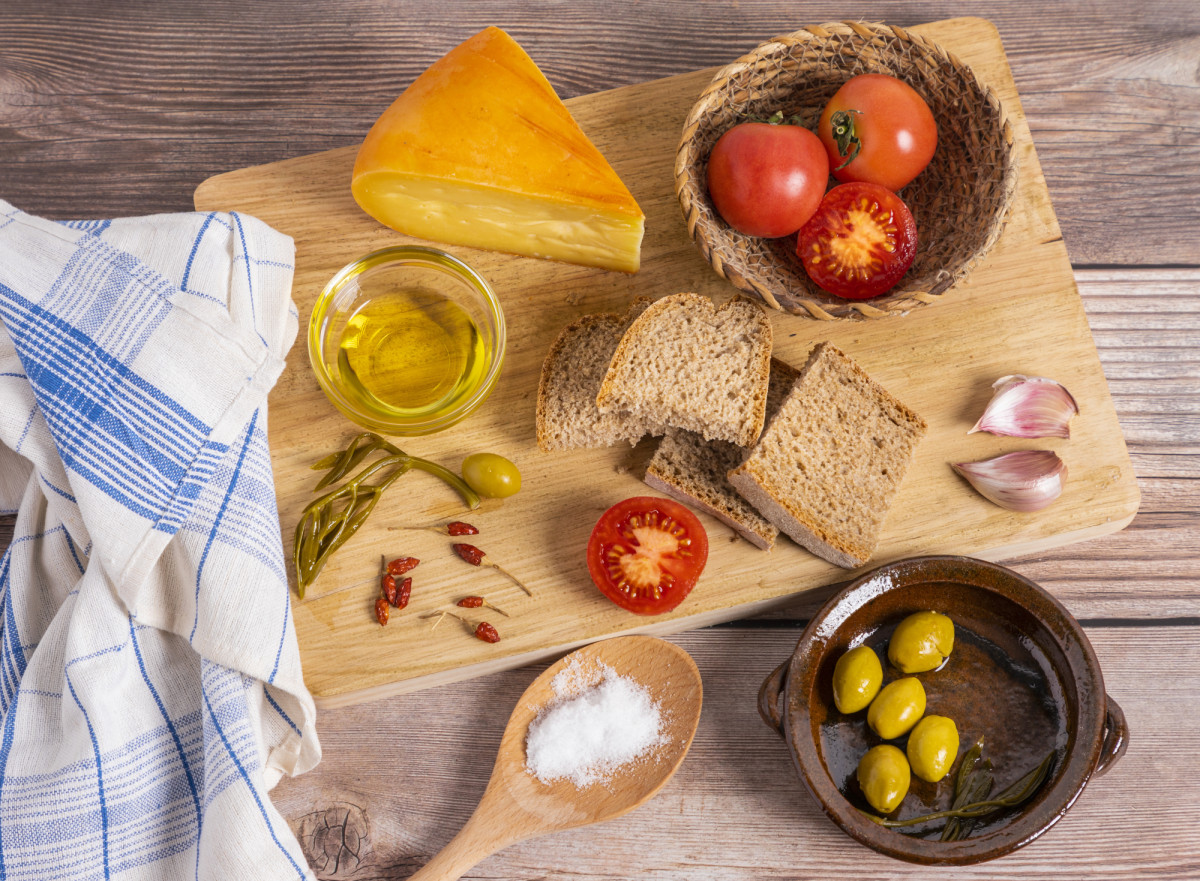
The appeal of food and wine begins before you enter a restaurant. It lies in agricultural landscapes, fishing, markets and the work of small producers. The bid aims to strengthen the connection between these places and the tourism offering, so that the origins of food have a recognisable presence in the experience of residents and visitors.
To achieve this, it proposes closer ties between the primary sector and restaurants, accommodation providers, shops, markets and tourism businesses. Collaboration that is essential if local produce is to take a more prominent role.
Knowing who produces a food, how it is obtained and where it comes from adds depth to the experience of tasting it.
Local produce offers value that goes beyond its quality: it brings diners closer to the region and its culture. And that connection is one of the bid's main strengths.
Four pillars for discovering the islands
Territory, Produce, People and Experience are the four pillars of a project that explores food and wine from their origins to their ability to convey Balearic identity.
Territory encompasses the diversity of the islands, their landscapes and their Mediterranean heritage. Produce expresses the quality and authenticity of locally made products. People represent the knowledge and trades that keep the culture alive. Experience turns all this into experiences that connect tradition, heritage and innovation.
This perspective gives the tourism sector a foundation for developing offerings with their own identity. Gastronomy can become the thread linking a stay with an understanding of the surroundings and their communities. It also helps explain that behind every product is an economic activity whose survival is essential to preserving the landscape visitors enjoy.
That is why the project's objectives include supporting small producers and encouraging a new generation to take up work on the land and at sea. It also seeks to integrate regeneration into the tourism model and strengthen the islands' international profile as a food and wine destination.
In this endeavour, education also plays a key role in helping new generations learn where food comes from, value local production and become involved in preserving the islands' heritage. To that end, the bid seeks to bring the whole of society on board: institutions, the primary sector, educational establishments, cultural organisations and the public.
A bid with broad support
Consensus is one of the project's defining features. The AETIB coordinates the entire project in ongoing collaboration with the four island councils and numerous stakeholders across the food and wine value chain.
That commitment to unity is reflected in the protocol of adherence to the bid, recently signed by the Illes Balears, the International Institute of Gastronomy, Culture, Arts and Tourism (IGCAT) and 21 organisations from the institutional, business, production, academic and outreach sectors, as well as the third sector. In this way, they all commit to a shared project and a common message: to drive the islands' food and wine future.
The International Institute of Gastronomy, Culture, Arts and Tourism (IGCAT), the body that awards the title, promotes the sustainable development of regions through gastronomy and its links with culture, the arts, tourism, agriculture and education. Its approach aligns with a bid that seeks and to make an economic, social, cultural and environmental impact.
The islands also have a nearby example to draw on: Menorca was European Region of Gastronomy in 2022. Its experience brings knowledge and lessons to the joint project. Collaboration with the island makes it possible to build on the initiatives developed during and after that recognition and bring that experience to a bid that now encompasses the entire archipelago.
Two years' work and a long-term outlook
The proposal is the culmination of mover 2 years' work coordinated by the Illes Balears Tourism Strategy Agency (AETIB), in collaboration with the Department of Agriculture and with funding from the European Next Generation EU funds. That process has made it possible to develop tools to organise, showcase and promote the destination's food and wine offering.
These include the Strategic Plan for Food and Wine Tourism 2025–2035, a website, a mobile app and a digital catalogue of experiences. These tools are complemented by a shared narrative that presents the richness of the 4 islands through their distinctive characteristics. Events dedicated to tourism, food and wine, and local produce have also encouraged meetings between producers, tourism businesses, chefs and cooperatives.
The Minister for Tourism, Culture and Sport, Jaume Bauzà, says the bid “is not an isolated or improvised initiative but the result of two years of rigorous work”. With it, “a chapter of the Next Generation funds is not coming to an end; rather, a long-term, cross-cutting project is beginning”. The aim, he adds, is to build a tourism model based on “value, restraint, sustainability and pride in our roots”.